Roofing installation in San Fernando, CA, protects your home from heat, wind, and sudden storms. A weak roof can lead to leaks, mold, and rising energy bills. A new roof installation improves comfort, safety, and home value. At Legends Roofing, we install strong roofing systems built for long-term performance.

Roofing Installation in San Fernando, CA
$750 Discount on New Re-Roof
For Veterans, Military, Teachers & First Responders
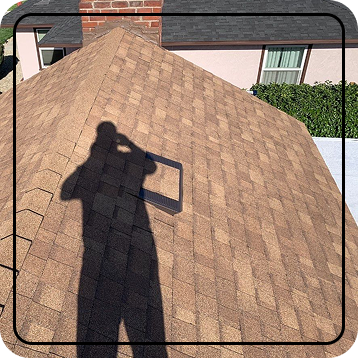
Roofing Installation Steps That Matter
Roofing installation starts with careful planning and proper materials. Our team builds each roof to last for years. Many homeowners wait too long to replace a failing roof. Curling shingles and repeated leaks often signal bigger problems. Roofing replacement fixes damage before it spreads into walls or attic spaces.
We begin with a full roof inspection. We check decking, vents, and flashing for weak areas. Strong preparation helps your new roof installation last longer. During a replacement, we remove old roofing materials. This step creates a clean surface for the new system. We also replace damaged wood to keep the structure secure.
Next, we install underlayment for added moisture protection. We seal vulnerable areas around vents, chimneys, and roof valleys. These spots often face the most water exposure.
Homeowners often ask about roofing types. Each option offers different benefits and styles. Asphalt shingles remain the most common choice for residential roofing. They balance cost, strength, and curb appeal. Tile roofs last longer and create a bold look. Metal roofing offers durability and helps reduce heat buildup.
A residential roofing system needs proper airflow. Heat and moisture can wear shingles out faster. Good ventilation keeps attic temperatures under control. It also helps your home stay cooler in summer.
A new roof installation can improve energy efficiency. Modern materials reflect sunlight and reduce cooling strain. Roofing replacement also helps when selling your home. Buyers often worry about worn or aging roofs. A new roof installation adds confidence.
We keep every jobsite clean and organized. Our roofers protect landscaping and remove debris throughout the project. We also complete a final inspection to confirm proper sealing, flashing placement, and shingle alignment.
Here are some key benefits of a new roof:
- Stronger weather protection
- Better energy efficiency
- Higher home value
- Improved curb appeal
San Fernando New Roof Installation
Legends Roofing is a family-owned business serving the San Fernando area since 2017. Our A+ BBB rating reflects trusted service and strong results. As a CertainTeed Select ShingleMaster and Owens Corning Preferred Contractor, we install proven systems built to last. We offer flexible financing for new roofs on approved credit. We handle both residential and commercial roofing and provide free estimates for every project.
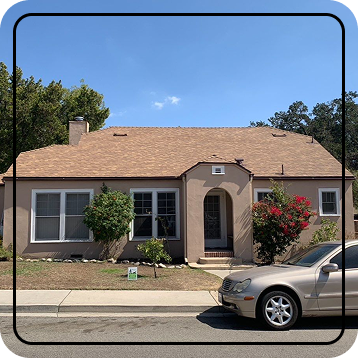
Contact Legends Roofing today for expert roofing installation in San Fernando.

Read Our Legendary Reviews!
Read More Reviews
"Our roof has been leaking for years and caused a lot of damages on to our bathroom and living room. We got our roof done by Legends and we haven’t had any more leaks! So happy our house is protected now. Thanks Legends!"
Contact Us for services of legends
Contact Legends Roofing today to find out what it means to work with a team of roofers in Los Angeles and Pasadena that’s truly legendary. Give us a call, or use our online form to get a free quote!
This site is protected by reCAPTCHA and the Google Privacy Policy and Google Terms of Service apply.
Web Design and Internet Marketing by RYNO Strategic Solutions