Roofing installation in Pasadena, CA, affects how your home handles water and heat. A solid roof blocks water, heat, and pests, and it protects the framing below. When you need roof installation services, Legends Roofing keeps the plan clear and the options simple. If you are seeing stains, sagging, or granules in gutters, the roof needs attention. We also talk through ventilation and flashing, since they often cause leaks in older roofs.

Roofing Installation in Pasadena, CA
$750 Discount on New Re-Roof
For Veterans, Military, Teachers & First Responders
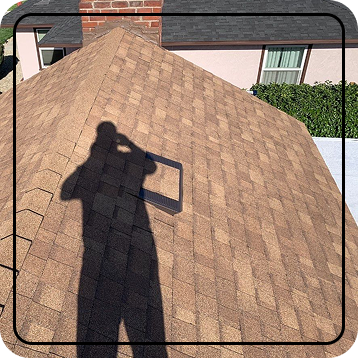
Pasadena Roofing Installation Basics
An initial inspection helps confirm it’s time for a new roof installation. We look for widespread shingle failure, soft decking, and leaks that keep returning. Some problems appear local, but the pattern often points to age. We check valleys, penetrations, and transitions around walls and chimneys. If repairs keep stacking up, replacement is likely the smarter move. You also get a written summary you can reference later.
We’ll help you choose the type of roof that fits your goals. Material choice affects weight, ventilation needs, and how the roof sheds water. Some HOAs limit materials and colors, but performance should lead. We walk through each option, from asphalt to metal and tile. Metal lasts an extremely long time, but is pricier. Tile looks sharp, yet it adds weight and needs solid frame beneath that can support it. We also discuss how color and reflectivity may change attic heat.
After tear-off, we inspect the decking before installing any new roofing. We check for rot, mold staining, loose fasteners, and sagging around valleys. Moisture damage often starts small but then spreads along seams. We pay attention to drip edge, step flashing, and the underlayment laps. If the wood is compromised, we replace it before the new roof material goes back on. That helps prevent heat gain and moisture issues in the attic. It also lowers the risk of pests nesting in soft spots.
Look for signs that may suggest it’s time to replace your roof:
- Missing shingles
- Curling shingles
- Water pooling
- Granule loss
- Interior leaks
Scheduling Roof Installation Services
Legends Roofing helps you sort roofing decisions with clear recommendations for your Pasadena home. We explain what matters most for your roofline, slope, and drainage. Some companies push one material, but we discuss options that fit your home. You get clear scope notes, realistic schedules, and a point of contact who responds. We share photos when they help, and we keep paperwork organized. If you want to compare options, we lay out the pros and cons. That way, you choose with facts, not pressure.
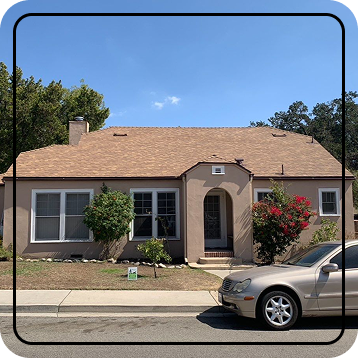
Contact us for detail-oriented roofing installation in Pasadena with Legends Roofing.

Read Our Legendary Reviews!
Read More Reviews
"Our roof has been leaking for years and caused a lot of damages on to our bathroom and living room. We got our roof done by Legends and we haven’t had any more leaks! So happy our house is protected now. Thanks Legends!"
Contact Us for services of legends
Contact Legends Roofing today to find out what it means to work with a team of roofers in Los Angeles and Pasadena that’s truly legendary. Give us a call, or use our online form to get a free quote!
This site is protected by reCAPTCHA and the Google Privacy Policy and Google Terms of Service apply.
Web Design and Internet Marketing by RYNO Strategic Solutions